women & Girls
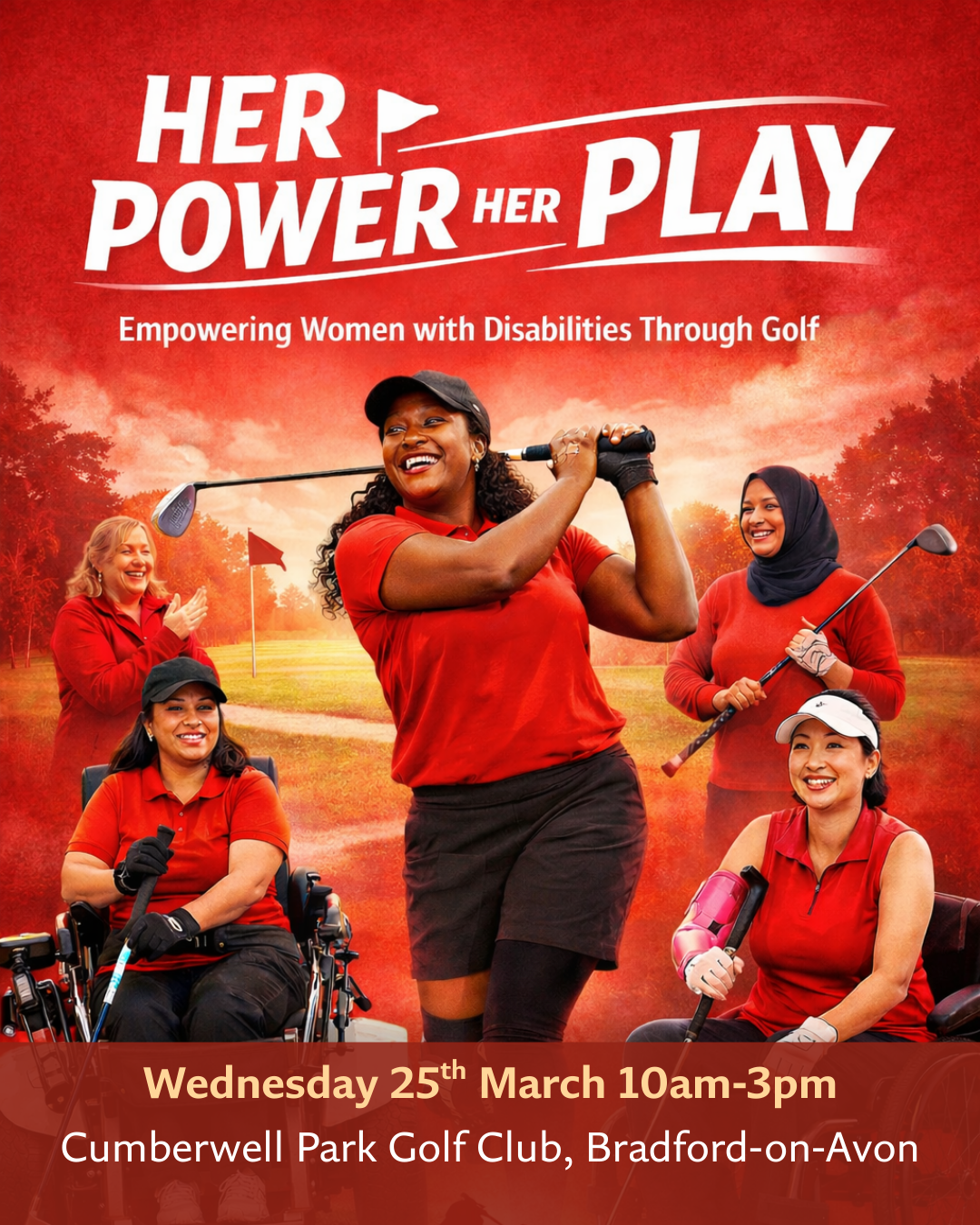
The Golf Trust is committed to getting more women and girls with disabilities playing golf and breaking down the barriers to participation.
There is a clear gender and disability inequality in the sport. Only around 9% of registered golfers with a disability are female, a pattern reflected in our own work, where just 10% of participants are women. We want to change that.
Our vision is to support 5,000 more women and girls into golf by 2028.
That’s why we’ve launched Her Power Her Play, a five-year project, designed to understand and address the barriers women with disabilities face when engaging in sport, and to create more inclusive, welcoming opportunities to play.
Let's work together
Calling all Solicitors, Occupational Therapists, physiotherapists, charities and community organisations supporting people with disabilities, we can support women you are working with. Please get in touch!
Her power! Her Play
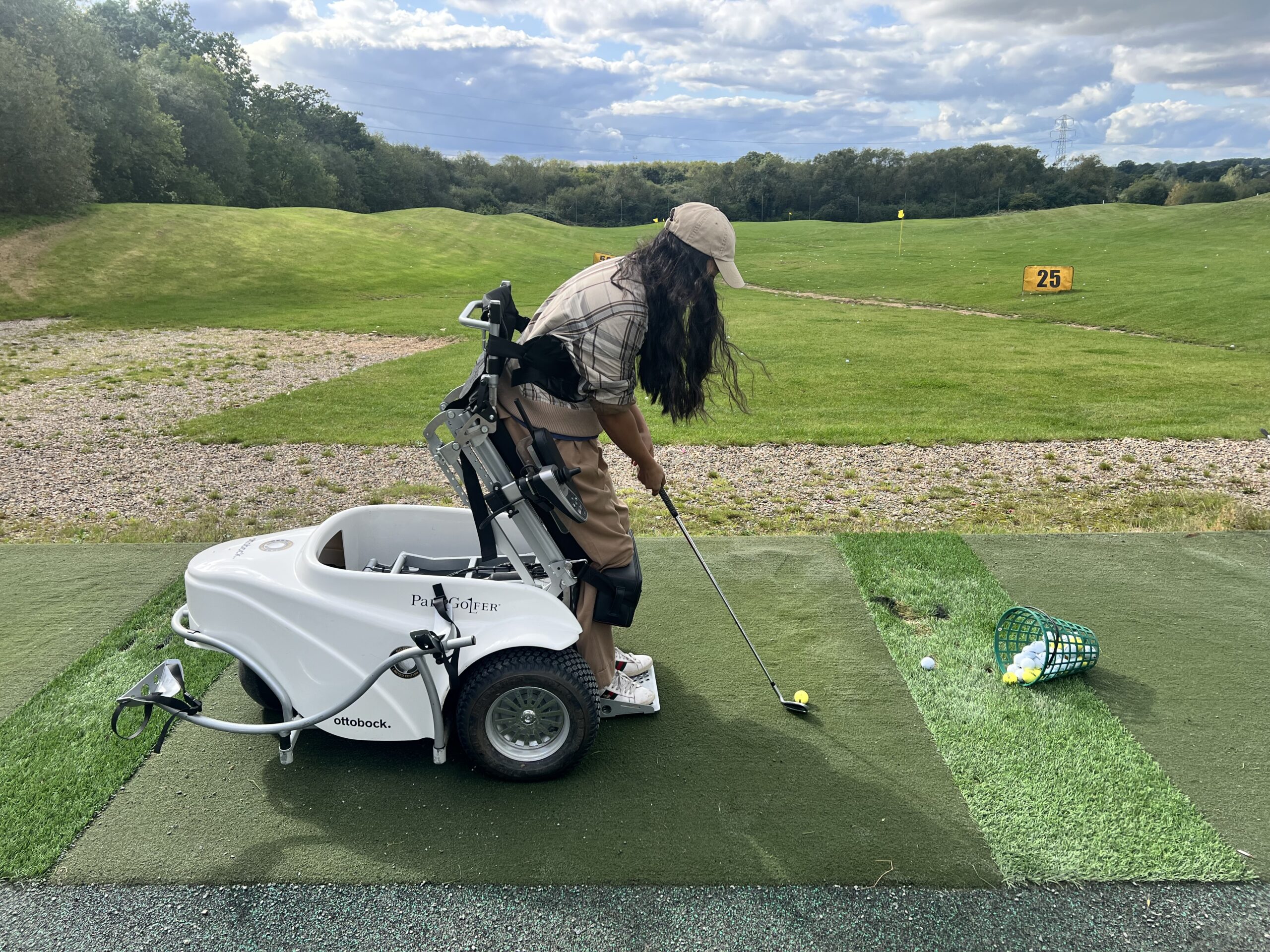
Launched in 2025, Her Power Her Play encourages more women with disabilities to get active through golf. Blending physical activity, community, and learning, the programme invites women to come and try the game in a fun, supportive environment.
Whether you’re completely new or have some experience, our expert coaches are there to make golf accessible and enjoyable. We also listen and learn, helping us better understand the barriers women with disabilities face in accessing opportunities.
What To Expect

Play
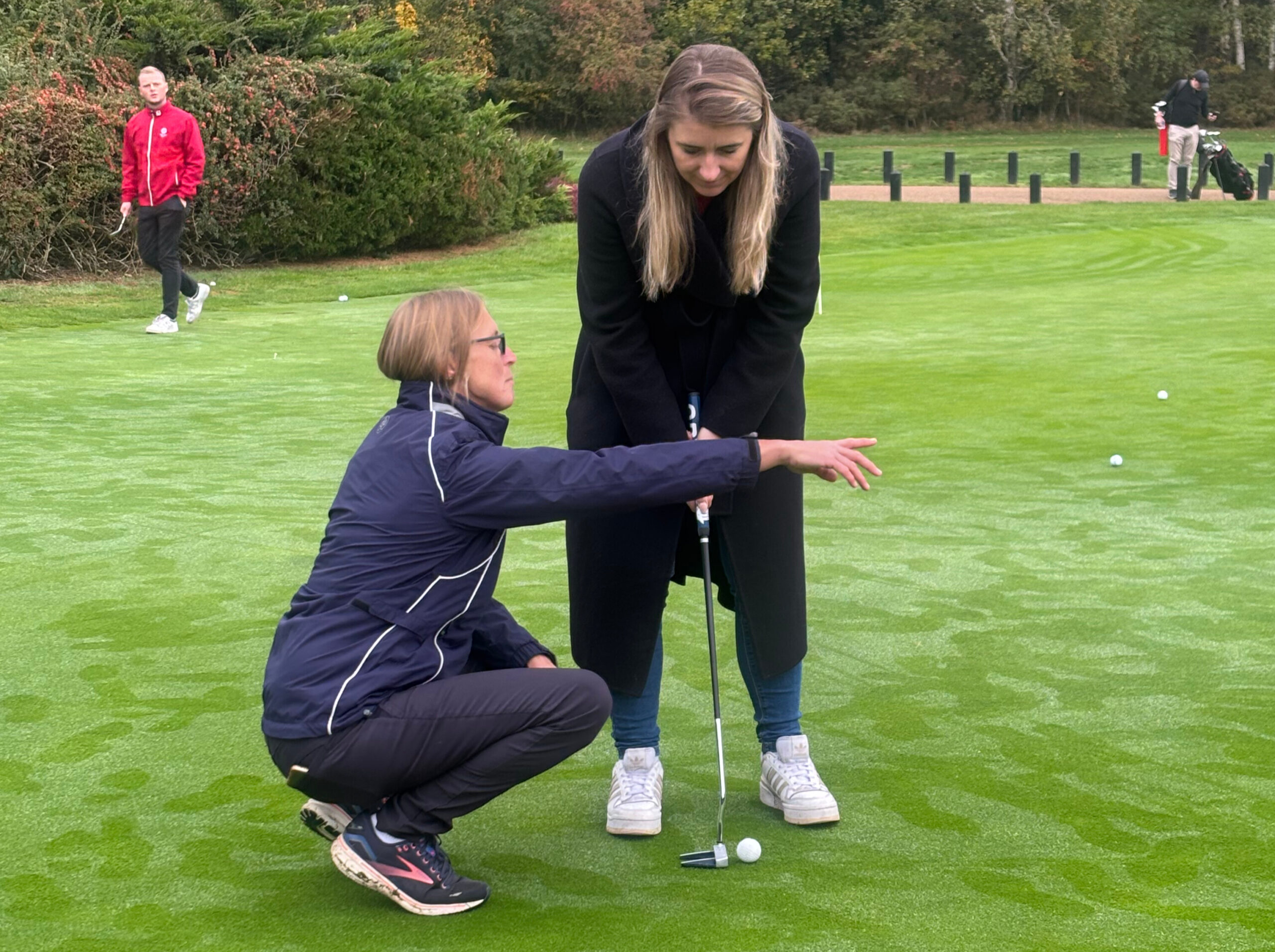
Structured sessions to introduce the fundamentals of golf and give you the confidence to keep learning. Expert coaches on hand to guide you through the whole process.

Learn
Hear from empowering women sharing their experiences of overcoming barriers to pursue recreational sport and physical activity, their motivations and best bits.

Connect
Meet like-minded women and share the experience of learning golf together.
We support those with, but are not limited to:
- Spinal injuries
- Brain injuries – acquired and traumatic
- Neurological conditions – ataxia, multiple sclerosis, Parkinsons, Dementia
- Sensory impairment – visual or hearing
- Learning disabilities
- Amputation/limb loss
- Cerebral palsy
- Muscular dystrophy
- Stroke survivors
Coming up